Elite athlete in preparation
Human Performance Intelligence · Elite Sport

The Invisible Edge of Elite Performance

EMA helps sports clubs, academies, and performance teams understand how athletes think, communicate, hold up under pressure, and fit inside the group. These are the parts of performance that rarely show up in numbers.

04 Performance Dimensions
1:1 Club Engagements
EU Europe-based · Private club work
Pressure · Stable
Communication · Direct
Team Fit · Aligned
AthletePHX-014
In Review
DECISION ADAPT PRESSURE COMMUNICATE REGULATE FOCUS
Decision Speed
Emotional Reg.
Team Cohesion
Role Fit

Inside the Environment
Quiet training environment — athlete in side light
The Environment

The work happens long before match day.

EMA works inside the everyday environment of a club — training grounds, video rooms, recruitment meetings, development conversations. The quiet places where decisions about people shape what happens on match day.

01 — The Idea

Two athletes with the same numbers play very different games.

Every serious club already knows what their athletes can do physically, technically, and tactically. The harder question is how they think under pressure, how they take feedback, how they hold up in tight games, and how they affect the people around them.

EMA helps clubs answer those questions with the same care they bring to the rest of their preparation.

"The parts of performance that are hardest to see are usually the ones that decide the outcome."
What clubs already measure
  • Physical output
  • Technical skill
  • Tactical execution
What often goes unseen
  • How an athlete responds to pressure
  • How they receive coaching and feedback
  • How they communicate inside the group
  • Where they lead — quietly or visibly
  • Whether they fit the team environment
02 — Four Pillars

Four areas of work, one complete picture of the athlete.

We look at each athlete from four sides. None of them stand alone — but each adds something the others cannot show.

PILLAR 01

Cognitive Performance

How an athlete reads the game, decides under pressure, and stays sharp when things speed up.

  • Decision speed and quality
  • Attention and focus control
  • Adapting when the environment changes
  • Holding up in critical moments
PILLAR 02

Behaviour & Emotional Intelligence

Personality, motivation, and how an athlete manages themselves day after day.

  • Communication and feedback style
  • What motivates them, what doesn't
  • Self-awareness and resilience
  • Behaviour when things go wrong
PILLAR 03

Team Dynamics

How athletes fit together, where leadership naturally appears, and where friction can quietly build.

  • Role fit and group balance
  • Leadership patterns inside the squad
  • How the group communicates
  • Early signs of friction or strength
PILLAR 04

Strategic Application

Turning what we learn into real decisions — about signings, roles, conversations, and development.

  • Recruitment and onboarding support
  • Individual development plans
  • Coach-athlete communication
  • Long-term talent planning
The Conversation
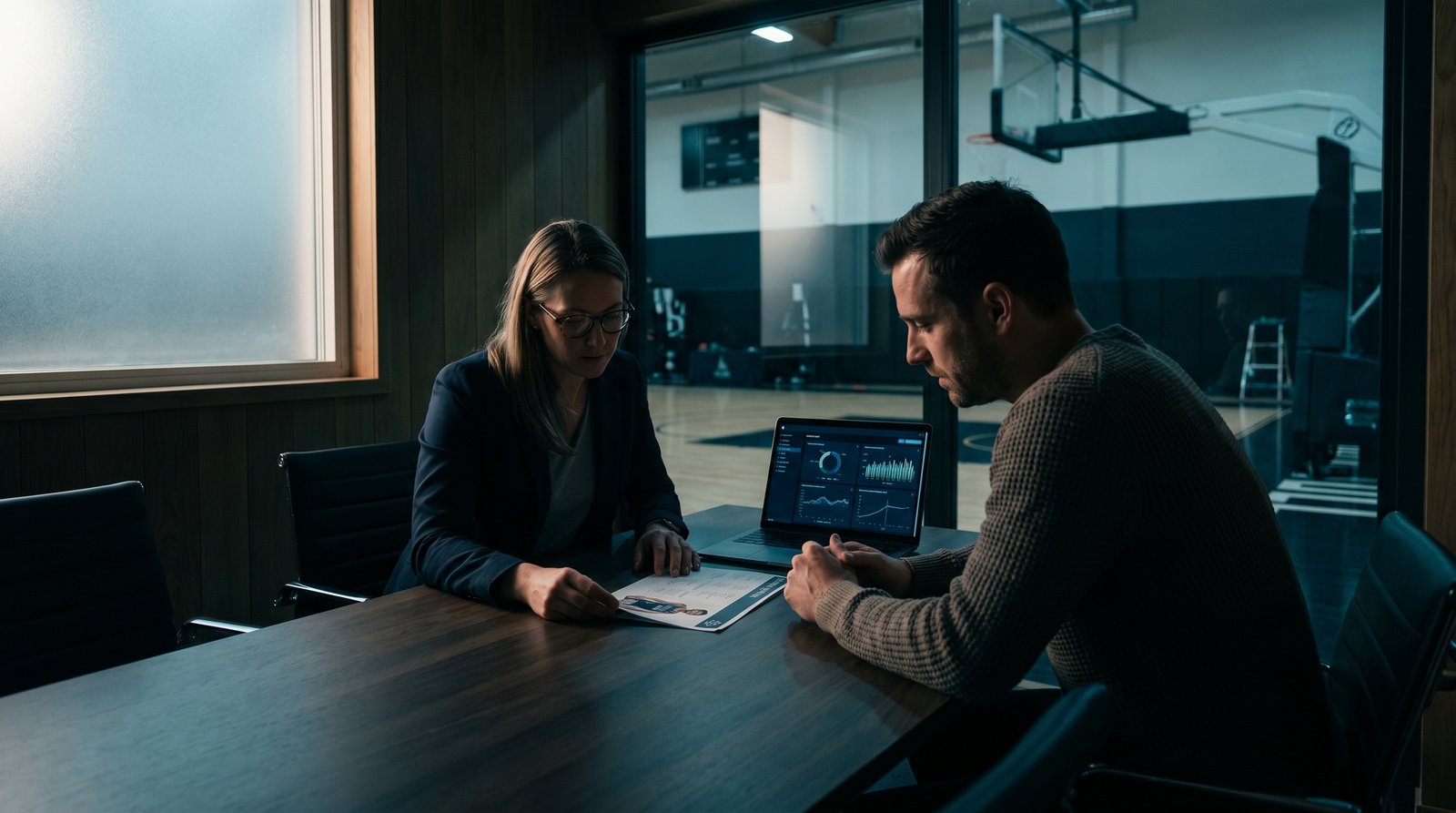
Two specialists reviewing an athlete profile, side-lit
The Conversation
Expert-led, not software-led

Real conversations behind every profile.

Every EMA profile is read and discussed by a high-performance psychologist and a club-side strategist. The profile is the starting point — the conversation with the coaching and performance staff is where it becomes useful.

03 — Athlete Profiles

A profile coaches can actually use.

An EMA athlete profile brings together cognitive strengths, personality, motivation, communication style, how the athlete handles pressure, and how they fit into a team. The profile is presented in a format coaches and performance staff can actually work with.

Every profile is interpreted by our specialists and shared in a private conversation with the club, not handed over as a raw report.

"A player profile is not a label. It is a way of helping the people around the athlete coach, support, and develop them better."
A.K.
Athlete Profile
Reference · PHX-014 · Senior Squad
v.04 · Private

Cognitive Strengths

Decision SpeedHigh
Focus Under LoadStrong
Adapting Mid-GameDeveloping

How They Operate

Under PressureStable
Takes FeedbackDirect
Fits the GroupAligned

How To Work With This Athlete

Give them autonomy Be specific in feedback Leads quietly Detail-oriented Wants mastery, not praise
NS

"Quiet competitor. The group settles when this athlete is in the room. Coach with detail, leave space for ownership — public praise tends to slow this profile down rather than push it forward." Interpretation · Nora Szanto, High-Performance Psychologist

The Group
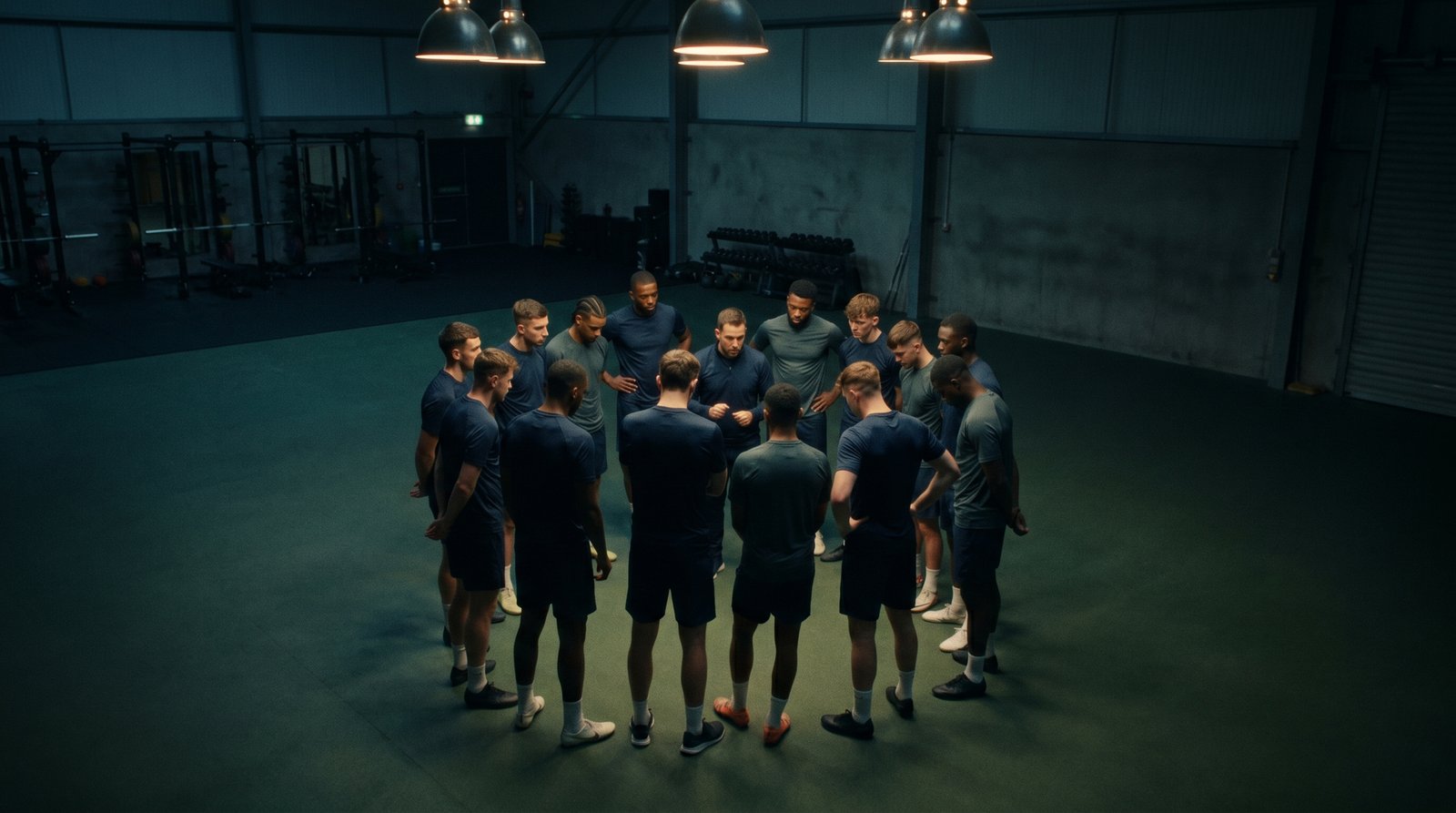
Team gathered together in training, overhead light
The Group
Inside the group

A team is more than the sum of its players.

How personalities sit next to each other inside a squad decides more than most clubs realise. Who steadies the group. Who lifts it. Where pressure builds. Where it quietly dissolves.

04 — Team Dynamics

Understanding the team behind the team.

Talent and tactics matter. But the personalities, leadership patterns, and emotional habits inside a squad decide what actually happens in training and on match day.

EMA maps the human dynamics of the group, showing where leadership naturally sits, where the group strengthens, and where pressure might quietly build.

Squad Composition Map
Twelve-athlete profile · Senior squad
Leadership
Stabiliser
Connector
Specialist
LEADERSHIP Captain Anchor Anchor Connector Connector Connector Specialist Specialist Specialist — ROLE FIT — COMMUNICATION — ADAPTABILITY PRESSURE RESPONSE — STABILITY — COHESION —
Captain Leadership
Anchor Stabiliser
Anchor Stabiliser
Connector Communicator
Specialist Role player
01 Does this signing fit? Before an athlete joins, understand how they sit next to the personalities already in the room.
02 Who really leads here? Find the captain on paper — and the quieter voices the rest of the group actually follows.
03 Where might friction build? See potential pressure points early, before they become problems in February.
04 How should the coach speak? Match how the coaching staff communicates to how the group actually receives information.
05 What holds it together? Identify the stabilisers — the athletes the group leans on when things get hard.
06 Who's clear on their role? Build role clarity early so every athlete understands their place in the system.
05 — Where Clubs Use This

The decisions EMA helps clubs make.

Six places where what we learn becomes part of the work clubs are already doing — not an extra report on the shelf.

01 / 06
Recruitment & Scouting
Understand whether an athlete you are tracking will actually fit the people, the coach, and the standards inside your club — not just the system on paper.
02 / 06
Athlete Development
Build development plans that account for how each athlete learns, receives feedback, handles setbacks, and stays motivated through a long season.
03 / 06
Coaching Communication
Help coaching staff adjust how they speak to different athletes — when to push, when to step back, when to be direct, when to give space.
04 / 06
Leadership Identification
See where leadership naturally appears in the group — including the quiet athletes the rest of the team actually listens to.
05 / 06
Team Cohesion
Understand the chemistry of the squad — where it strengthens, where it might quietly crack, and what to do about it before it affects results.
06 / 06
Long-Term Planning
Build a fuller picture of talent — going beyond physical and technical numbers — to inform season planning, contract decisions, and pathway design.
06 — How We Work

A quiet, expert-led process.

Four stages, designed for clubs who want depth, not a generic online questionnaire. The work is private, careful, and led by people — not software.

01
Stage One

Assessment

Athletes complete a focused cognitive, behavioural, and personality assessment. Done with care, in a way that respects the athlete's time and the club's confidentiality.

02
Stage Two

Interpretation

Our specialists read each profile in context — not as numbers, but as a picture of a real athlete inside a real club environment.

03
Stage Three

Profile Building

Individual athlete profiles and a team-level map are prepared for the club — written for coaches and performance staff, not academics.

04
Stage Four

Working Together

We sit with the club to discuss what the profiles mean for recruitment, communication, development, and team dynamics — and remain available as decisions are made.

07 — Who We Work With

Built for serious sports organisations.

EMA works with clubs, academies, and performance teams across elite sport that want to understand the people behind the result.

08 — The Athlete Journey

With the athlete from the beginning to the end.

EMA does not work with athletes for a single assessment and then step away. Our support is designed to follow the athlete across their entire career, adapting to what each stage demands.

The Athlete Journey is one of the things that makes EMA genuinely different. Most performance support is reactive, arriving when there is already a problem. EMA is present from the moment a talent is identified, and stays through every transition that follows.

01
Stage One

Signing & Onboarding

The moment a young talent is scouted and considered for a professional environment. EMA helps clubs understand what they are bringing in, and helps the athlete begin the transition with clarity and confidence.

02
Stage Two

Youth Athlete

The early professional years — rapid development, new pressures, and the need to build habits and a mindset that will carry the athlete forward. EMA provides structured support tailored to where the athlete actually is.

03
Stage Three

Mid-Athlete

The athlete is established and advancing. Expectations grow, roles become more complex, and the internal challenges shift. EMA works on consistency, leadership development, and the mental skills that sustain a long career.

04
Stage Four

Senior Athlete

The highest-performing stage. Senior athletes carry the most responsibility and face the most pressure. EMA provides intensive support for leadership, communication, resilience, and the mental edge at the top level.

05
Stage Five

Post-Athlete

The transition out of professional sport is one of the most underestimated challenges an athlete faces. EMA supports individuals through this period, helping them find clarity, identity, and direction for the next chapter.

EMA is there at every stage. Not just when things go wrong.

09 — The People

Two specialists, one way of working.

EMA is led by two people who have spent their careers between athlete psychology and the practical reality of running high-performance environments.

Nora Szanto, High-Performance Psychologist
High-Performance Psychologist

Nora Szanto

Nora works directly with athletes, executives, and teams on the psychological side of high-performance — how people think under pressure, how they receive feedback, and how to sustain excellence over a long season or career. Her work is calm, precise, and grounded in real environments, not theory.

Performance Psychology Behavioural Assessment Emotional Intelligence Trauma-Informed Coaching Subconscious Work
Marco Iezzi, High-Performance Strategist
High-Performance Strategist

Marco Iezzi

Marco works on the strategic side of the equation, partnering with clubs, organisations, and leadership teams to turn what we learn about people into real decisions. His background spans central banking, strategic advisory, and high-performance coaching, and he brings the same analytical rigour to sport as to business.

Performance Strategy Organisational Development Recruitment Advisory Change Management Executive Coaching
— Request a private consultation

Tell us about your situation.

Tell us about your club, organisation, or situation. A short note is enough to start. We respond within two business days, and every conversation is treated as confidential.

Response time 48 hours
Confidentiality NDA on request
Contact info@elite-mindset.agency
— Quiet conversations, serious work

Let's talk, before anything else.

If you lead a club, academy, or performance department and want to understand your athletes and your group better, a private conversation is where the work begins. We can discuss whether EMA is the right fit for your environment.

Request a Private Consultation